
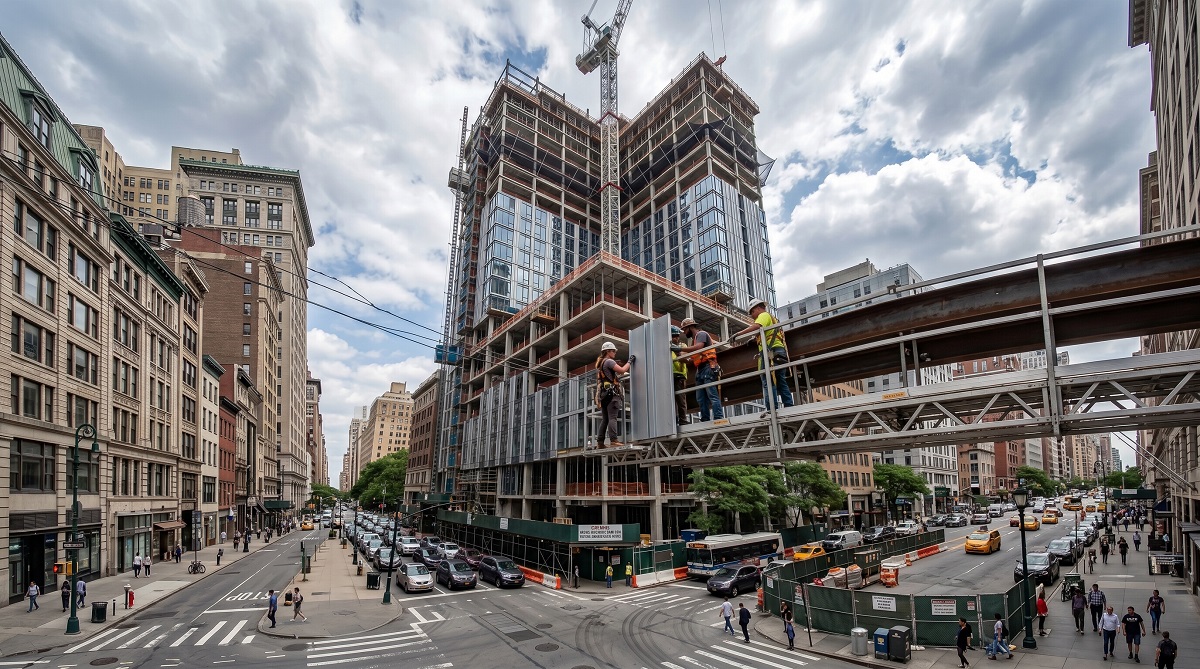
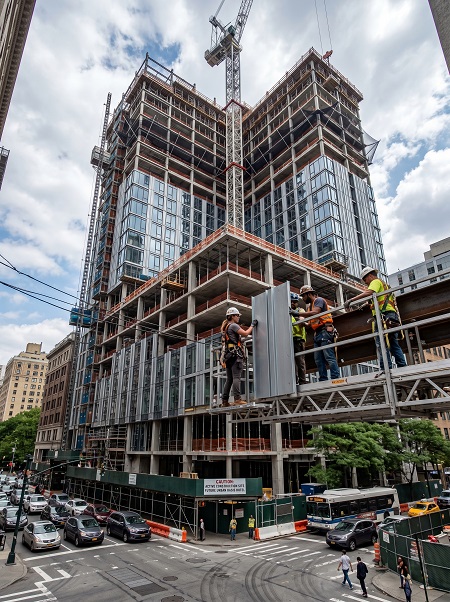
 Commercial construction loans are specialized financial products designed to facilitate the development and construction of commercial real estate. They cater to the unique financing requirements of constructing office buildings, retail spaces, warehouses, and other commercial development projects.
One of the standout features of commercial construction loans is their structure, which typically involves short-term financing until the construction is completed and the property becomes cash-flow positive. This is quite different from regular commercial mortgage loans, which are more straightforward and long-term right from the beginning. Depending on the agreement, a commercial construction loan might eventually convert into a permanent mortgage once the property is completed, enabling you to avoid refinancing down the road.
Qualifying for one of these loans requires strong sponsorship. Lenders will look closely at the financial strength and creditworthiness of the Principal Borrower as well as the viability of the project itself. This includes having detailed construction plans, permits, and sometimes the involvement of experienced contractors. Financial stability, as shown via income statements, cash flows, and financial projections, also plays a critical role in how lenders evaluate your application.
The application process requires you to be thorough. You’ll generally start by gathering and submitting a substantial amount of data and documentation. Expect to provide detailed descriptions of the project, financial forecasts, and the Personal Financial Statement of all Principals who own at least a 20% of the borrowing entity. A good chunk of time and effort goes into demonstrating that you’ve got a solid plan and are ready, willing and able to carry it out to project completion. Consider this step as painting a convincing picture to your potential lender.
Unveiling Equity Capital Financing
Equity capital financing can play a pivotal role in commercial construction. Unlike debt financing, such as construction loans, equity capital doesn’t need to be repaid with interest. Instead, investors who provide this capital take a stake in the project’s potential profitability. This can provide breathing room in capital management, as you’re not immediately burdened with loan payments while you’re still getting your project off the ground.
So how does equity capital financing stack up against debt financing? The primary difference is risk and control. While loans come with strict repayment terms, equity financing often involves sacrificing a portion of ownership, profitability and decision-making. If you’re solid in your project’s potential and confident the investment will pay off, equity investors can be an excellent addition to your financial game plan.
In commercial construction, equity capital can be used for various purposes, from covering a portion of construction costs to providing a buffer to contingencies. This flexibility is a huge advantage, especially if the project’s scope or financial forecast changes during development.
Incorporating equity capital into your project can be crucial for rounding out your capital stack. This comprehensive approach aligns with leveraging multiple financial products to spread-out risk and ensure flexibility. Partnering with the right equity capital financiers can be key to driving the project’s success and ensuring you have the complete financial package required.
Crafting the Optimal Capital Stack: Integrating Debt & Equity Financing
Building a successful commercial real estate project often requires a blend of financial strategies. Combining construction loans and equity capital financing forms a robust capital stack, offering both the liquidity of loans and the flexibility of equity capital.
One of the main perks of mixing these two financing types is risk mitigation. Loans provide the initial cash injection needed to start the project and can help manage day-to-day financial demands. Meanwhile, equity financing offers stability when unexpected costs arise or project revenue and cash flow are generated slower than anticipated, without the pressure of immediate repayments.
Creating the right financial structure is integral to the execution and long-term success of construction projects. It impacts everything from the choice of contractors to the marketing strategy for the finished property. Ensuring that your capital is arranged efficiently can make a massive difference in how smoothly your project operates and achieves profitability.
When determining the ideal financing fit for your construction endeavors, it’s essential to consider both immediate and future needs. Don’t just look at your current financial situation; think about what your project will require as it evolves. If you need guidance on navigating these financing options, our comprehensive resource on Commercial Construction Financing offers deeper insights into integrating diverse financial solutions into your project efficiently.